
Related Articles


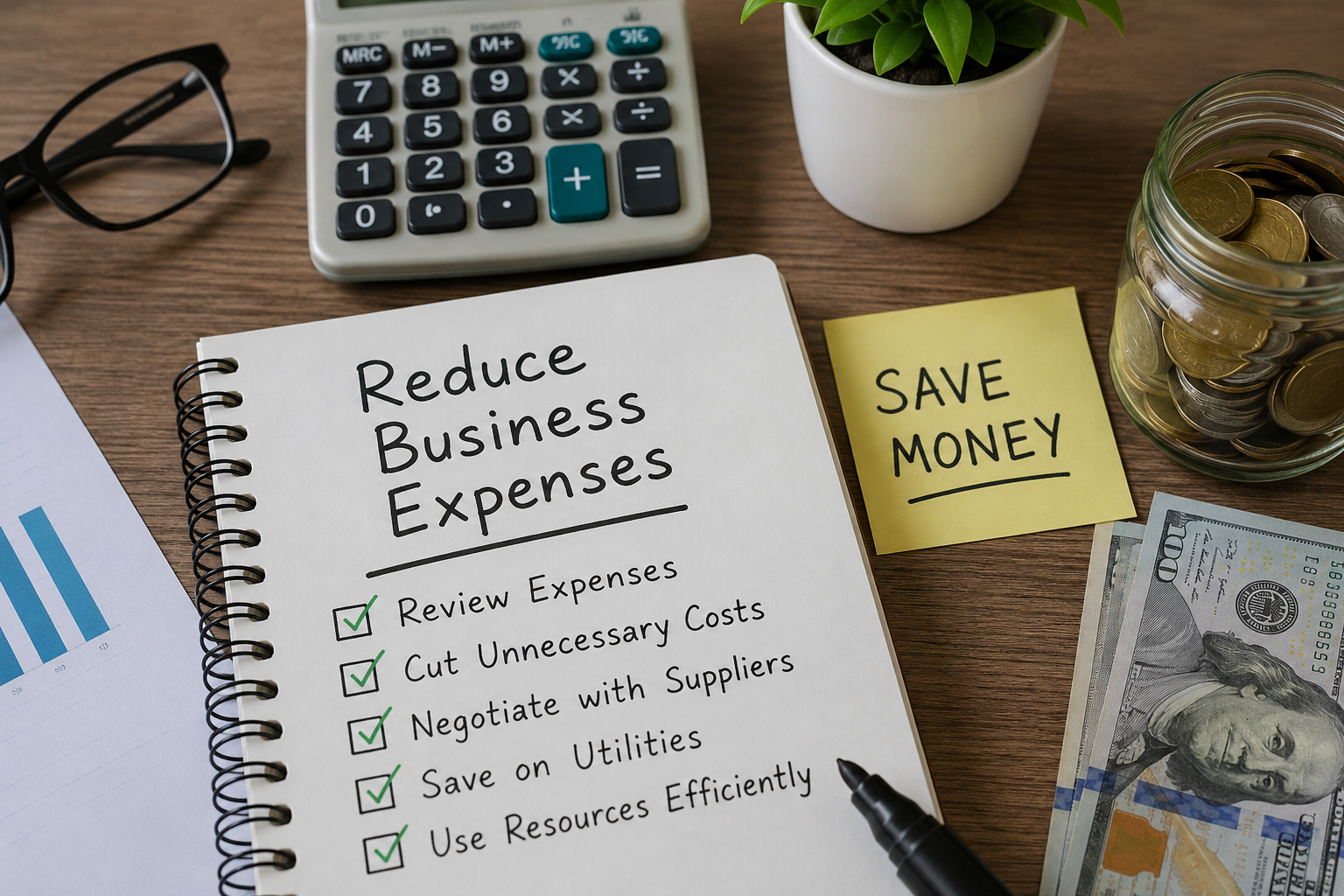
Creating a business budget is one of the most important steps for managing a successful business. A good budget helps you understand where your money is going, how much your business is earning, and what you can afford to spend. Whether you run a small business, work from home, or manage a growing company, a clear business budget can help you make better financial decisions.
Many business owners avoid budgeting because they think it is complicated. In reality, creating a business budget can be simple when you understand the basic steps. You do not need advanced accounting knowledge to start. You only need accurate information about your income, expenses, savings, and financial goals.
What Is a Business Budget?
A business budget is a financial plan that shows your expected income and expenses over a specific period. Most businesses create a monthly, quarterly, or yearly budget. The purpose of a business budget is to help you control your money and plan for future needs.
A basic budget usually includes sales income, operating expenses, employee costs, marketing expenses, rent, utilities, equipment, taxes, and other business costs. By comparing expected income with expected expenses, you can understand whether your business is likely to make a profit.
A business budget also helps you identify unnecessary spending. If your expenses are increasing faster than your income, your budget can help you notice the problem before it becomes serious.
Why Is a Business Budget Important?
A business budget provides a clear picture of your financial situation. Without a budget, it can be difficult to know whether your business is actually making money.
One major benefit of budgeting is better financial control. When you know how much money you expect to receive and spend, you can avoid unnecessary purchases and manage your cash more carefully.
A budget can also help you prepare for slow periods. Some businesses have seasonal changes in sales. Saving money during busy months can help cover expenses when sales become lower.
Another benefit is better business planning. If you want to hire employees, purchase equipment, expand your office, or launch a new product, your budget can show whether you can afford the investment.
Step 1: Determine Your Business Income
The first step in creating a business budget is calculating your expected income. Start by looking at your previous sales records if your business is already operating.
List all sources of business income. This may include product sales, service payments, subscriptions, consulting fees, online sales, or other revenue sources.
If your business is new and you do not have previous sales data, make a realistic estimate. Avoid assuming that every month will be highly profitable. It is better to create a conservative income estimate based on realistic customer demand.
For example, if you expect to make $8,000 in sales during a month, you can use that amount as your estimated monthly income. If your sales change throughout the year, create different estimates for different months.
Step 2: List All Business Expenses
After calculating your expected income, make a complete list of your business expenses. This is one of the most important parts of creating a business budget.
Fixed expenses are costs that usually remain similar each month. Examples include rent, insurance, software subscriptions, salaries, and loan payments.
Variable expenses can change depending on business activity. Examples include shipping costs, raw materials, advertising costs, packaging, commissions, and utility expenses.
Do not forget smaller expenses. Individual small purchases may not seem important, but they can become a significant cost when added together.
Review bank statements, receipts, invoices, and accounting records to make your expense list as accurate as possible.
Step 3: Separate Essential and Non Essential Expenses
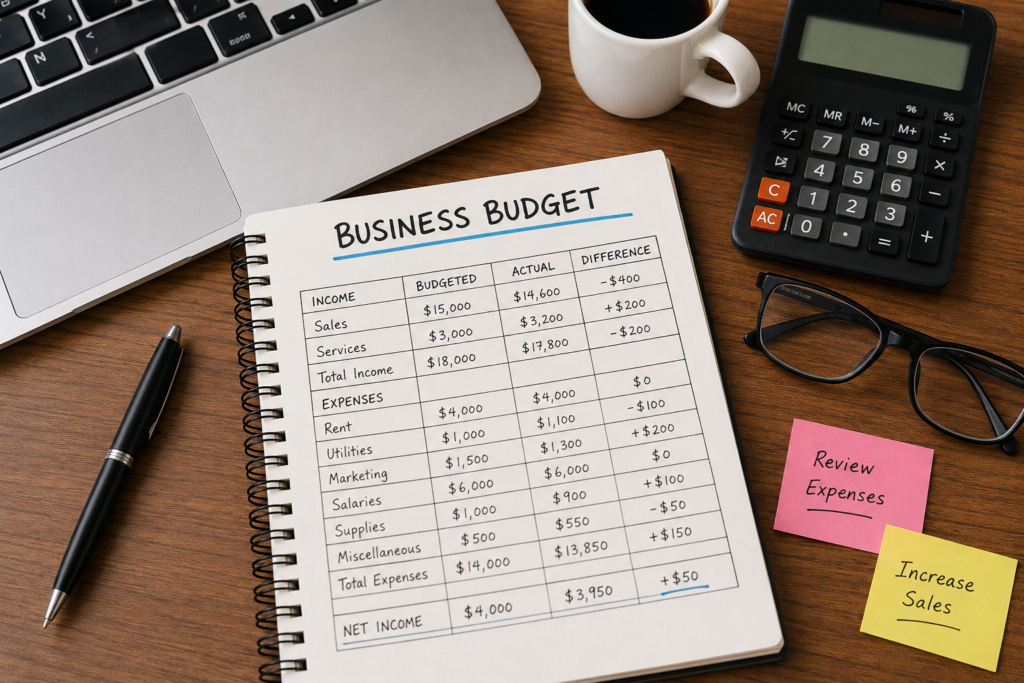
Once you have listed your expenses, divide them into essential and non essential costs.
Essential expenses are necessary for keeping your business running. These may include employee salaries, basic software, rent, inventory, utilities, taxes, and essential marketing.
Non essential expenses are costs that may be reduced or removed when necessary. These could include unnecessary subscriptions, expensive office upgrades, excessive advertising, or services that your business rarely uses.
This separation makes it easier to control spending. If your business income decreases, you can review your non essential expenses first instead of immediately cutting important business activities.
Step 4: Calculate Your Expected Profit
The next step is to compare your expected income with your expected expenses.
The basic formula is simple:
Expected Profit = Expected Income minus Expected Expenses
For example, if your business expects to earn $10,000 in a month and your total expenses are $7,000, your expected profit is $3,000.
If your expenses are higher than your income, you have an important warning sign. You may need to reduce expenses, increase prices, attract more customers, or find additional sources of income.
Your business budget should help you understand these numbers before problems occur.
Step 5: Create a Cash Flow Plan
Profit and cash flow are not always the same thing. A business can show a profit but still experience cash shortages if customers pay late or large bills must be paid immediately.
A cash flow plan helps you understand when money will enter and leave your business.
Write down when you expect to receive customer payments and when you need to pay suppliers, employees, rent, taxes, and other bills.
Keeping enough cash available for regular expenses can help your business operate smoothly. This is especially important for small businesses that may not have large financial reserves.
Step 6: Set Financial Goals
Your business budget should not only focus on expenses. It should also support your financial goals.
Think about what you want your business to achieve during the next year. You may want to increase sales, improve profit, hire employees, reduce debt, build savings, or open another location.
Set specific financial goals and include them in your budget. For example, instead of saying you want to save money, decide to save $500 each month for future business expansion.
Clear goals make your budget more useful because you have a reason to manage your money carefully.
Step 7: Create an Emergency Fund
Unexpected expenses can happen in every business. Equipment may break, sales may suddenly decrease, or an important customer may leave.
An emergency fund can provide financial protection during difficult periods. Try to save a portion of your business income regularly until you have enough money to cover unexpected costs.
The amount you need depends on your business size and expenses. Even a small emergency fund can provide valuable support when something unexpected happens.
Step 8: Review Your Budget Regularly
Creating a business budget is not a one time task. Your business income and expenses can change throughout the year, so you should review your budget regularly.
A monthly review is a good habit for many businesses. Compare your actual income and expenses with the amounts you originally estimated.
If sales are higher than expected, you may have more money available for savings or growth. If expenses are higher than expected, investigate the reason and decide whether changes are needed.
Regular budget reviews help you stay aware of your financial position.
Common Business Budgeting Mistakes
One common mistake is making unrealistic sales estimates. Business owners sometimes expect very high sales without considering market conditions. Use realistic numbers instead.
Another mistake is forgetting irregular expenses. Some costs happen only once or twice a year, such as insurance payments, licenses, equipment repairs, or tax payments. Include these expenses in your yearly budget.
Ignoring small expenses is another common problem. Small subscriptions and frequent purchases can add up quickly.
Some business owners also create a budget but never review it. A budget only works when you use it to guide your decisions.
Use Simple Budgeting Tools
You do not need expensive financial software to create a business budget. A simple spreadsheet can be enough for a small business.
You can create columns for income, fixed expenses, variable expenses, savings, and profit. Update the spreadsheet regularly so your information remains accurate.
As your business grows, you may decide to use accounting software or professional financial services. The important thing is to choose a system that you can understand and maintain consistently.
Final Thoughts
Learning how to create a business budget can make managing your company much easier. A well planned budget shows you how much money your business earns, where your money is being spent, and what financial decisions you can make.
Start by calculating your expected income and listing all your expenses. Separate essential costs from non essential spending, calculate your expected profit, plan your cash flow, and set clear financial goals. It is also important to prepare for unexpected expenses and review your budget regularly.
A business budget is more than a list of numbers. It is a practical tool that can help you control expenses, improve cash flow, increase profitability, and plan for business growth. When you make budgeting a regular part of your business routine, you can make financial decisions with greater confidence and build a stronger foundation for long term success.