Related Articles

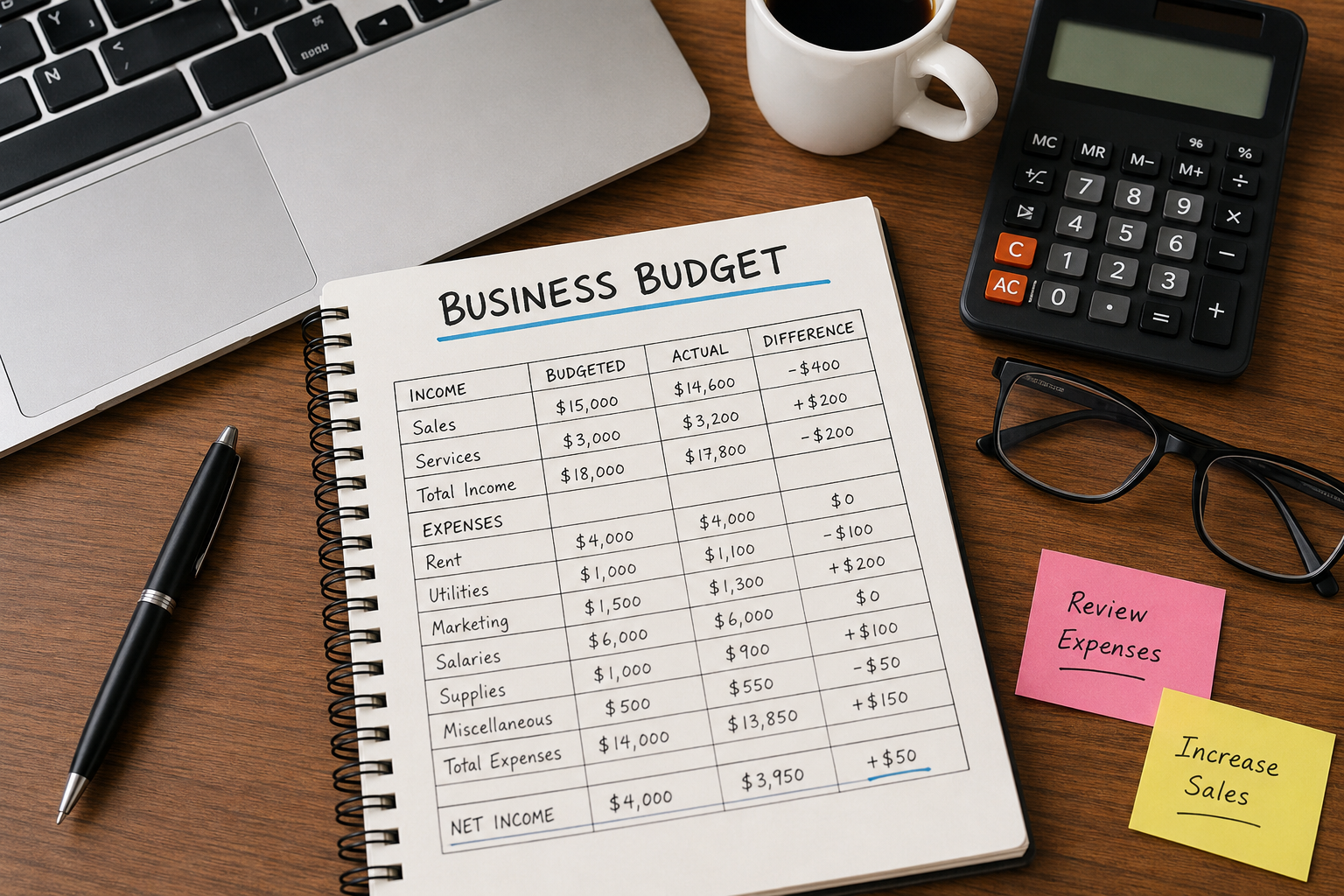
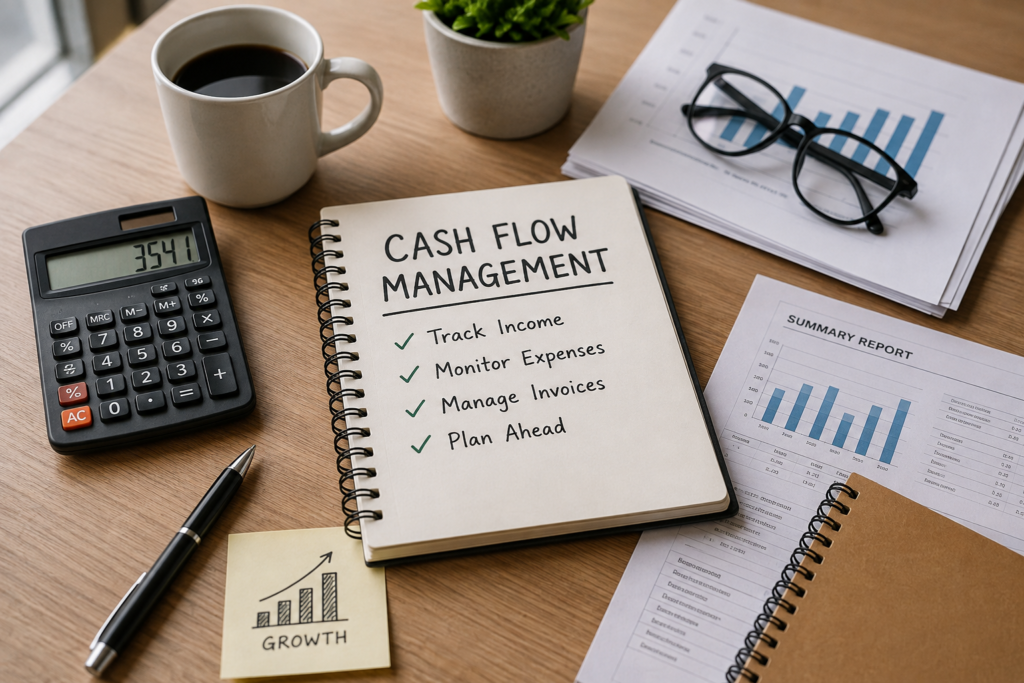
Cash flow management is one of the most important parts of running a successful small business. A business can have good sales and still struggle if there is not enough cash available to pay employees, suppliers, rent, bills, and other daily expenses. Understanding where money comes from, where it goes, and when payments happen can help business owners make better financial decisions.
For small businesses, effective cash flow management means keeping enough money available to cover short term needs while also planning for future expenses and growth. The following cash flow management tips can help small business owners improve their financial stability and build a stronger business.
Understand Your Cash Flow
The first step in better cash flow management is understanding your current financial situation. Business owners should know how much money comes into the business and how much money goes out each month.
Cash inflows can include customer payments, online sales, service fees, investments, and other sources of business income. Cash outflows may include rent, salaries, inventory, utilities, marketing, taxes, loan payments, and supplier bills.
Keeping track of these amounts can help you identify patterns. You may discover that certain months bring higher sales while other months have larger expenses. Understanding these patterns makes it easier to prepare for periods when cash may be limited.
Create a Cash Flow Forecast
A cash flow forecast is a useful tool for small business owners. It provides an estimate of how much cash the business expects to receive and spend during a specific period.
You can create a weekly or monthly cash flow forecast based on expected sales, customer payments, regular expenses, upcoming bills, and seasonal changes.
A cash flow forecast can help answer important questions. Will the business have enough money to pay its bills next month? Can you afford to purchase new equipment? Is there enough cash available for unexpected expenses?
Regular forecasting can help you identify potential cash shortages before they become serious problems.
Send Invoices Quickly
Late invoices can create major cash flow problems for small businesses. If customers receive invoices weeks after completing a purchase or service, payments may also arrive late.
Make invoicing a regular part of your business process. Send invoices as soon as products or services are delivered. Make sure every invoice includes clear information about the amount due, payment methods, and payment deadline.
Using digital invoicing tools can make the process faster and more organized. The sooner you send an accurate invoice, the sooner you have a chance of receiving payment.
Set Clear Payment Terms
Clear payment terms can improve business cash flow. Before starting work with a customer, explain when payment is expected and what payment methods are accepted.
For example, you may require payment within fifteen or thirty days after an invoice is issued. For certain services or large orders, you may request a deposit before starting the work.
Make sure customers understand your payment terms from the beginning. Clear communication can reduce misunderstandings and help prevent unnecessary payment delays.
Follow Up on Late Payments
Even when payment terms are clear, some customers may pay late. Small businesses should have a simple system for following up on overdue invoices.
Start with a polite reminder when the payment deadline approaches. If the invoice becomes overdue, send another professional reminder. For long overdue payments, consider contacting the customer directly.
Regular follow up can improve accounts receivable and help maintain a healthier cash flow. It is also important to keep records of invoices, payment dates, and customer communication.
Control Business Expenses
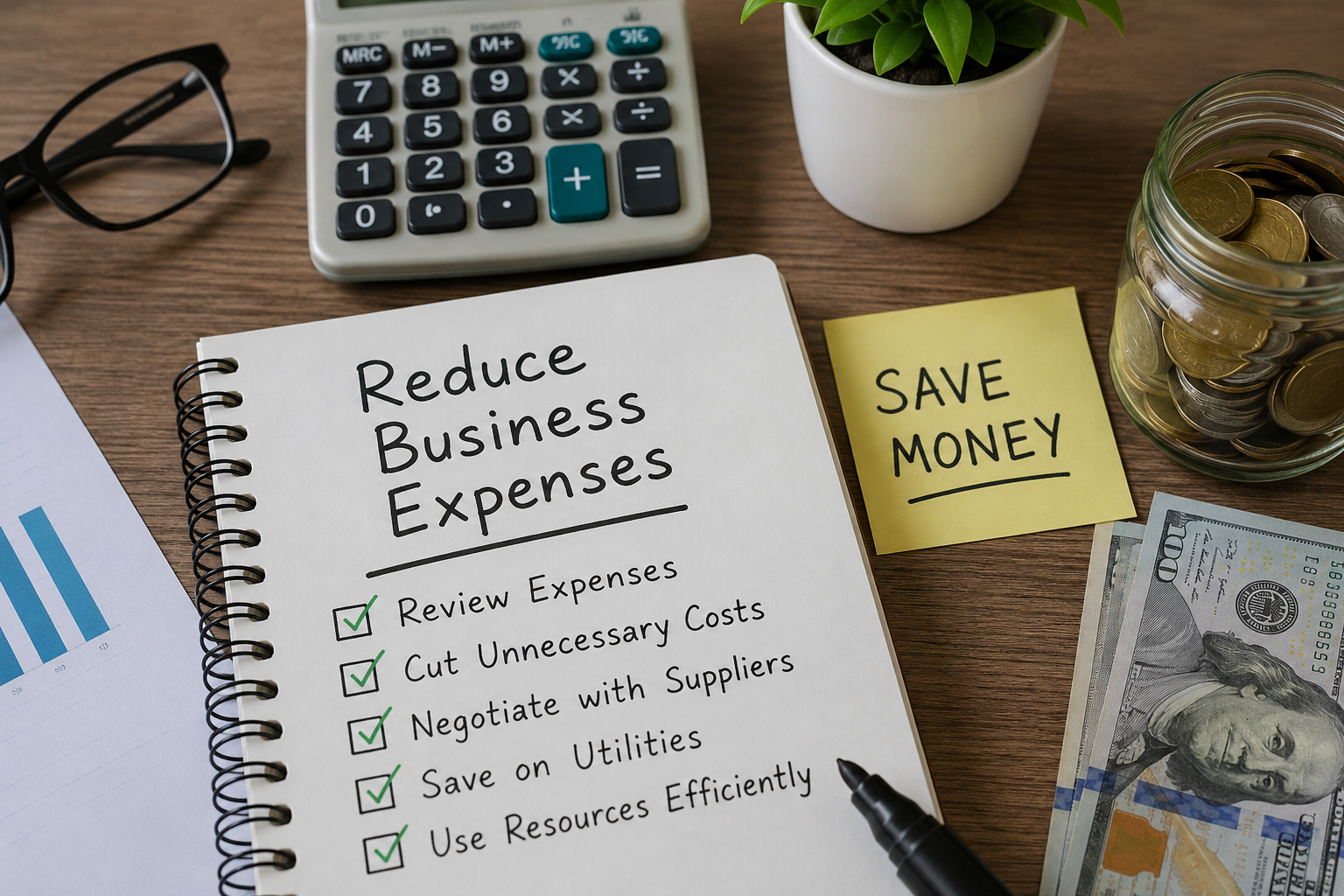
Managing expenses is just as important as increasing sales. Review your business expenses regularly and identify areas where money may be spent unnecessarily.
Look at subscriptions, office expenses, marketing costs, software services, transportation, inventory, and other regular payments. Some expenses may no longer provide enough value to justify their cost.
Reducing unnecessary expenses does not mean cutting everything. The goal is to spend money wisely and focus on expenses that support business growth and customer satisfaction.
Separate Business and Personal Finances
Small business owners should keep business finances separate from personal finances whenever possible. Using separate accounts can make it easier to understand the actual financial performance of the business.
When personal and business expenses are mixed together, it can become difficult to track cash flow accurately. Separate records also make accounting, budgeting, and tax preparation easier.
A clear separation between business and personal money provides a better picture of how much cash is actually available for business operations.
Maintain an Emergency Cash Reserve
Unexpected expenses can happen at any time. Equipment may break, sales may decrease, customers may delay payments, or an important business expense may suddenly increase.
Building an emergency cash reserve can provide protection during difficult periods. Even if you can only save a small amount each month, creating a financial cushion can make a significant difference.
The size of your emergency reserve depends on your business type, monthly expenses, and financial situation. The important thing is to make cash savings part of your overall financial planning.
Manage Inventory Carefully
Inventory can have a major impact on cash flow, especially for businesses that sell physical products. Buying too much inventory can tie up money that could be used for other business needs.
At the same time, keeping too little inventory can lead to missed sales and unhappy customers.
Monitor which products sell quickly and which products remain in storage for long periods. Use sales information to make better purchasing decisions. Avoid purchasing large amounts of slow moving products unless there is a clear reason to do so.
Effective inventory management helps keep more cash available for important business expenses.
Negotiate With Suppliers
Good relationships with suppliers can sometimes provide opportunities to improve cash flow. Depending on the supplier and your business relationship, you may be able to negotiate better payment terms, discounts, or longer payment periods.
For example, a supplier may offer a discount for early payment or allow payment within thirty days instead of immediately.
Always communicate professionally and make sure agreed terms are clearly documented. Strong supplier relationships can benefit both sides and may provide more flexibility when managing business finances.
Avoid Unnecessary Debt
Business loans and credit can be useful when they are used for productive purposes. However, taking on too much debt can create pressure on monthly cash flow.
Before borrowing money, consider the total cost of the loan, monthly payments, interest, and expected return from the investment.
If borrowed money is used to purchase equipment that increases productivity or to support profitable expansion, it may provide long term value. However, borrowing money to cover unnecessary spending can create financial problems later.
Monitor Cash Flow Regularly
Cash flow management should not be something you check only once a year. Small business owners should review their cash position regularly.
A weekly review can help you understand current cash levels, upcoming payments, overdue invoices, and expected income. A monthly review can provide a broader picture of business performance.
Regular monitoring allows you to respond quickly when something changes. If sales decrease or expenses increase, you can take action before the problem becomes larger.
Use Accounting and Financial Tools
Modern accounting software can make cash flow management easier. Many tools allow business owners to track income, expenses, invoices, payments, and financial reports in one place.
Automated reminders can help with unpaid invoices, while financial reports can help you understand business performance.
Choose a system that fits the size and needs of your business. You do not need complicated software if your business is small. A simple and organized system can still provide valuable information.
Plan for Taxes
Taxes should always be included in your cash flow planning. Business owners who do not set money aside for taxes may face a cash shortage when payments are due.
Estimate your tax obligations and regularly reserve part of your business income for them. Keeping tax money separate can help prevent accidental spending.
It can also be useful to work with a qualified accountant or tax professional who can help you understand your responsibilities and plan ahead.
Focus on Profitable Sales
More sales do not always mean better cash flow. Some products or services may generate high revenue but provide very little profit after expenses.
Review your sales and identify which products, services, and customers contribute the most to your business.
Focusing on profitable opportunities can help improve both cash flow and overall business performance. Instead of simply trying to increase sales, aim to increase healthy and sustainable sales.
Build Strong Customer Relationships
Customers who trust your business are more likely to return, recommend your services, and pay according to agreed terms. Strong customer relationships can therefore support long term cash flow.
Provide good customer service, communicate clearly, deliver products or services on time, and resolve problems professionally.
Repeat customers can reduce the cost of finding new customers and provide a more predictable source of revenue.
Final Thoughts
Good cash flow management can make a major difference in the success of a small business. It helps business owners pay expenses on time, prepare for unexpected situations, make better investments, and plan for growth.
Start by tracking your income and expenses carefully. Create a cash flow forecast, send invoices quickly, follow up on late payments, control unnecessary expenses, manage inventory, and maintain an emergency cash reserve.
The most important thing is to make cash flow management a regular business habit. When you understand your money and plan ahead, you can make more confident decisions and create a stronger financial foundation for your small business.