Related Articles


Running a business successfully is not only about increasing sales. It is also about managing money wisely and controlling unnecessary business expenses. Many businesses lose a large part of their profits because they spend money on things that do not provide enough value. By reviewing daily costs and making smart financial decisions, business owners can reduce expenses without affecting the quality of their products or services.
Reducing business expenses does not mean cutting everything or making your employees work with fewer resources. The goal is to identify unnecessary spending, improve business processes, and use available resources more effectively. Whether you run a small business, an online store, or a growing company, simple changes can make a big difference to your monthly budget.
Understand Your Business Expenses
The first step to reducing business expenses is understanding where your money is going. Some business owners know their total monthly spending but do not know which areas are consuming the most money. Without this information, it is difficult to make better financial decisions.
Create a record of all your business costs. Include rent, salaries, electricity, internet, software subscriptions, marketing, transportation, supplies, packaging, maintenance, and other regular expenses. Also include small expenses because they can become significant over time.
Once you have a clear picture of your spending, divide expenses into necessary and unnecessary categories. This simple process can help you find areas where you can save money without hurting your business.
Create a Realistic Business Budget
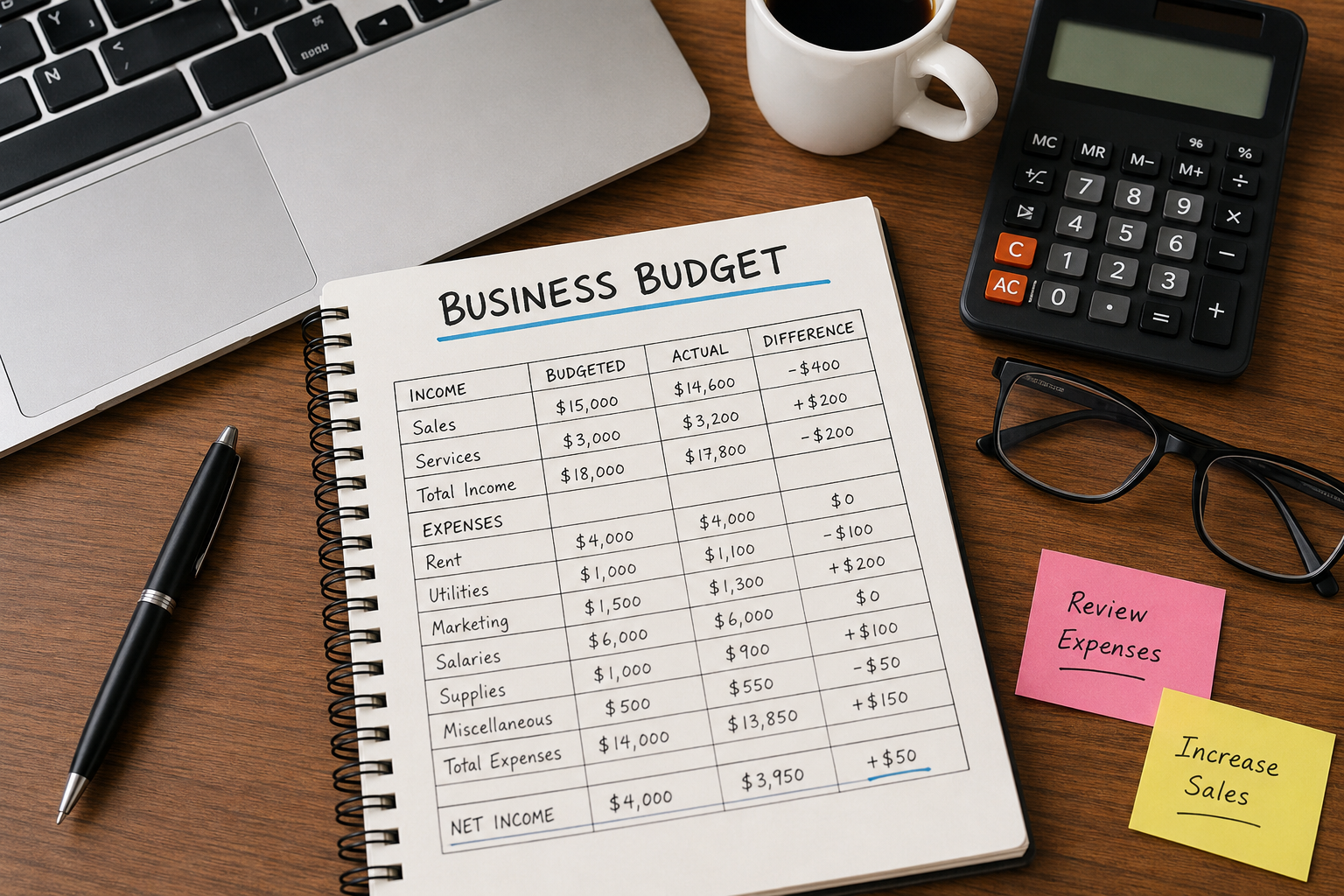
A good business budget helps you control spending before it becomes a problem. Set monthly limits for different categories and try to stay within those limits.
Your budget should include fixed expenses and variable expenses. Fixed expenses usually remain similar each month, while variable expenses can change depending on sales and business activity.
Review your budget regularly and compare your planned expenses with your actual expenses. If one category is consistently higher than expected, find out why and look for a practical solution.
Reduce Unnecessary Subscriptions
Many businesses pay for software, online services, memberships, and subscriptions that they rarely use. These costs may look small individually, but several unused subscriptions can create a large monthly expense.
Check all your subscriptions and ask yourself whether each service is actually helping your business. Cancel services that are no longer useful. If you use multiple tools that provide similar features, consider keeping only the one that offers the best value.
You can also look for annual plans, business discounts, or less expensive alternatives. However, always compare features before changing important business software.
Save Money on Office Supplies
Office supplies are another area where businesses can reduce expenses. Paper, printing materials, stationery, packaging supplies, and other small items can add up over time.
Buy commonly used supplies in reasonable quantities when bulk purchasing provides a real discount. Avoid buying more than you need because unused supplies can waste money and storage space.
Encourage employees to use office resources carefully. Simple habits such as printing only when necessary and using digital documents can reduce supply costs.
Review Supplier Prices
Suppliers play an important role in business expenses. If you have been purchasing products or materials from the same supplier for a long time, do not assume that their prices are still the best available.
Compare prices from different suppliers regularly. You may find another supplier offering similar quality at a lower price. You can also negotiate with your current suppliers, especially if you place regular or large orders.
Building a good relationship with suppliers can sometimes help you receive better prices, flexible payment terms, or discounts.
Reduce Energy Costs
Electricity and other utility bills can become expensive, especially for businesses with offices, shops, warehouses, or production areas.
Turn off lights, computers, air conditioners, and other equipment when they are not being used. Use energy efficient lighting where possible and check equipment that consumes large amounts of electricity.
If your business operates from an office, encourage employees to develop simple energy saving habits. These small actions can reduce monthly utility expenses without affecting productivity.
Use Digital Marketing Wisely
Marketing is important for business growth, but not every marketing activity provides the same results. Instead of spending money on every available advertising channel, focus on methods that reach your target customers.
Track the results of your marketing campaigns. If an advertising campaign costs a lot but produces very few customers, consider changing the strategy or reducing the budget.
Businesses can also use affordable marketing methods such as useful blog content, social media posts, email marketing, customer referrals, and search engine optimization. The key is to focus on marketing activities that provide measurable value.
Improve Inventory Management
Poor inventory management can create unnecessary business expenses. Buying too much stock can tie up your money and increase storage costs. On the other hand, buying too little can lead to missed sales.
Keep track of which products sell quickly and which products remain in storage for a long time. Use this information to make better purchasing decisions.
Regularly check your inventory and avoid ordering products simply because they are available at a discount. A discount does not save money if the products never sell.
Reduce Unnecessary Travel Costs
Business travel can be expensive because it may include transportation, accommodation, meals, and other costs. Before arranging a business trip, consider whether the meeting can be handled through a phone call or online meeting.
For necessary travel, plan ahead and compare transportation and accommodation options. Grouping several meetings into one trip can also help reduce travel costs.
These simple changes can be especially useful for small businesses that have limited budgets.
Encourage Remote or Flexible Work
If your type of business allows remote work, it may help reduce office related expenses. Fewer employees working in the office can reduce electricity use, office supplies, furniture requirements, and other costs.
Flexible work arrangements can also help businesses make better use of office space. However, remote work should only be introduced when it works well for the business and employees.
The main goal is to reduce expenses while maintaining productivity and good communication.
Automate Repetitive Tasks
Business owners often spend money and employee time on repetitive tasks that can be automated. Automation can help reduce administrative costs and allow employees to focus on more valuable work.
For example, businesses can use software for invoicing, appointment scheduling, customer communication, payroll management, inventory tracking, and email marketing.
Before buying automation software, calculate whether the cost is worth the savings. Choose tools that solve real problems instead of adding unnecessary expenses.
Reduce Waste
Waste can quietly increase business costs. Damaged products, unused materials, food waste, excessive packaging, and inefficient processes can all reduce profits.
Find out where waste occurs in your business and take steps to reduce it. Train employees to handle materials carefully and review processes that create unnecessary waste.
Reducing waste is good for both your business budget and the environment.
Review Employee Expenses
Employees are one of the most important parts of any business, so reducing expenses should never mean simply cutting employee pay or removing essential benefits. Instead, focus on improving productivity and reducing unnecessary costs.
Make sure employees have clear responsibilities and the right tools to complete their work. Avoid paying overtime when better scheduling can solve the problem.
Investing in employee training can also reduce mistakes, improve efficiency, and increase productivity over time.
Negotiate Business Services
Many business owners accept service prices without asking whether better terms are available. You may be able to negotiate prices for internet services, insurance, delivery services, office rentals, software, maintenance, and other business needs.
Contact service providers and ask about available discounts or better plans. Compare the current service with other options before making a decision.
Even a small monthly saving can become a significant annual saving.
Monitor Cash Flow Regularly
Cash flow management is essential for controlling business expenses. A business may have strong sales but still experience financial problems if money is not managed properly.
Track money coming into the business and money going out. Pay attention to payment deadlines, outstanding customer invoices, supplier bills, and upcoming expenses.
When you understand your cash flow, you can avoid unnecessary borrowing and make better spending decisions.
Avoid Impulse Purchases
Business owners sometimes make quick purchases because an offer looks attractive. However, every purchase should have a clear business purpose.
Before spending money, ask whether the item is necessary, whether it will generate value, and whether there is a more affordable alternative.
Waiting before making large purchases can help you avoid unnecessary spending.
Review Expenses Every Month
Reducing business expenses is not a one time activity. Costs can increase as the business grows, so regular reviews are important.
Set aside time every month to review your expenses. Compare current costs with previous months and identify unusual increases.
Look for opportunities to negotiate prices, remove unused services, reduce waste, and improve business processes.
Final Thoughts
Reducing business expenses does not require major changes. Simple actions such as reviewing subscriptions, negotiating with suppliers, improving inventory management, reducing energy use, controlling marketing costs, and monitoring cash flow can make a meaningful difference.
The most important thing is to spend money with a clear purpose. Every business expense should support productivity, customer satisfaction, or growth. When business owners regularly review their spending and make thoughtful decisions, they can reduce unnecessary costs and improve profitability.
A strong approach to expense management helps a business keep more of its revenue, prepare for unexpected challenges, and create a healthier financial future. Start with a few simple changes today and continue improving your business spending habits over time.