Related Articles



Managing business finances effectively is one of the most important parts of running a successful business. A business can have good products, loyal customers, and strong sales, but poor financial management can still create serious problems. When you understand where your money comes from, where it goes, and how to use it wisely, you can make better decisions and build a stronger business.
Many small business owners focus mainly on sales and customers and do not give enough attention to their finances. This can lead to cash flow problems, unnecessary expenses, unpaid bills, and difficulty growing the business. The good news is that managing business finances does not have to be complicated. With some simple habits and regular financial planning, you can keep your business finances under control.
Keep Business and Personal Money Separate
One of the first steps in effective business financial management is keeping your personal and business money separate. Many small business owners make the mistake of using one bank account for everything. This makes it difficult to understand how much money the business is actually making.
Open a separate bank account for your business and use it only for business income and expenses. If you need money for personal use, pay yourself properly from the business instead of taking money whenever you need it.
Keeping separate accounts also makes bookkeeping easier. You can quickly see your business income, expenses, and available cash without mixing personal transactions with business transactions.
Create a Business Budget
A business budget helps you understand how much money you expect to earn and how much you plan to spend. It gives you a clear financial direction and helps you avoid unnecessary spending.
Start by listing your expected monthly income. Then write down regular expenses such as rent, salaries, utilities, marketing, software, supplies, transportation, and other business costs.
Your budget should be realistic. Do not assume that sales will always increase every month. It is better to create a conservative budget so you are prepared for slower periods.
Review your budget regularly and compare your actual results with your planned numbers. If you are spending more than expected, find the reason and make adjustments.
Track Every Business Expense
Small expenses can become large over time. A few small purchases may not seem important, but when they happen regularly, they can have a major effect on your profits.
Keep records of every business expense. Save receipts, invoices, bills, and payment records. You can use accounting software or a simple spreadsheet to organize your expenses.
Divide your expenses into useful categories. For example, you can have categories for marketing, office supplies, employee costs, transportation, equipment, and professional services.
When you know exactly where your money is going, it becomes easier to identify unnecessary costs and improve your business finances.
Monitor Cash Flow
Cash flow is the movement of money into and out of your business. Good cash flow management is essential because a profitable business can still face problems if it does not have enough cash available when bills are due.
Track when customers are expected to pay and when your business payments need to be made. Try to collect customer payments on time and avoid unnecessary delays.
If your business allows customers to buy now and pay later, create clear payment terms. Send invoices quickly and follow up politely when payments are overdue.
Keeping enough cash available for regular expenses can help your business handle unexpected situations without financial stress.

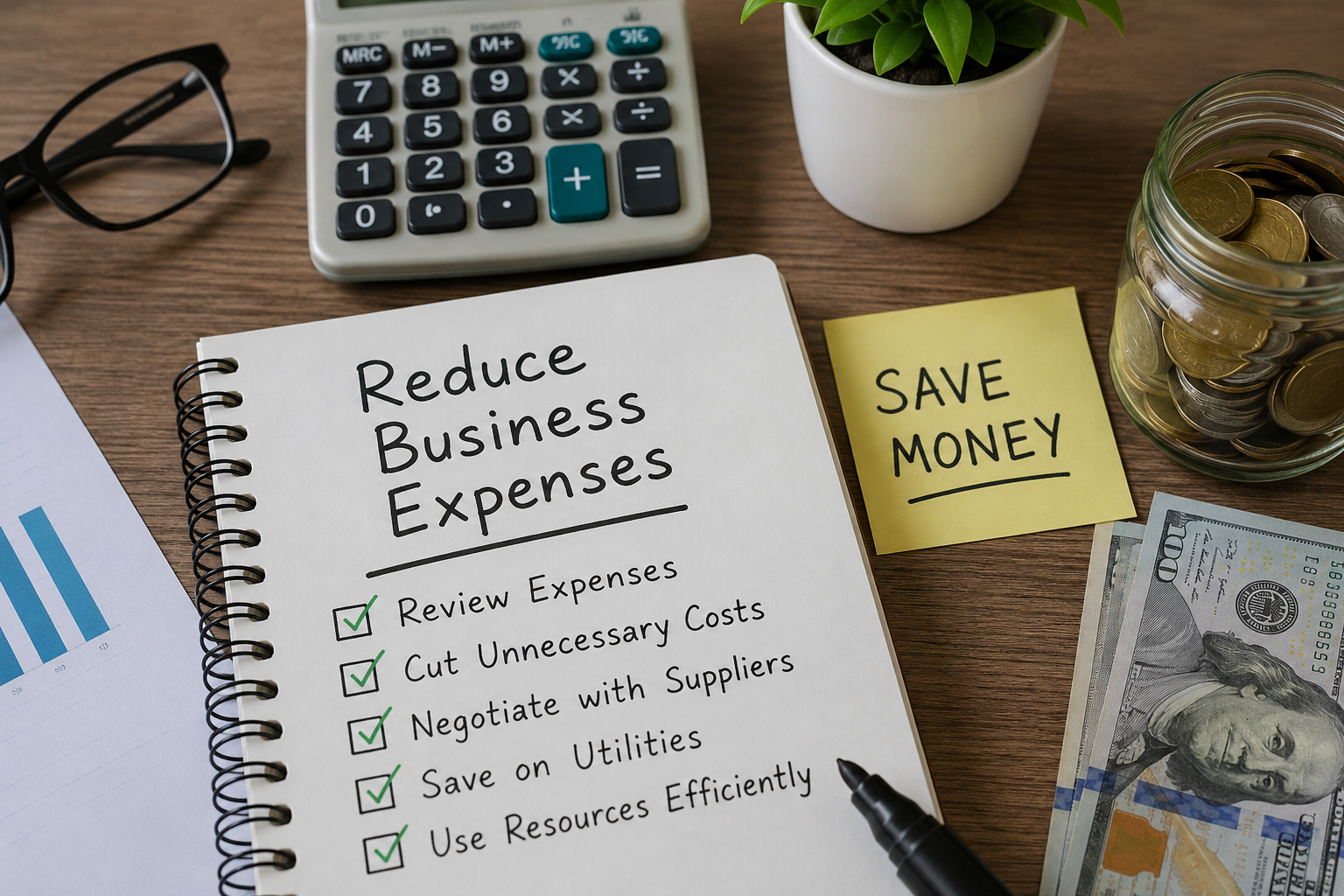
Reduce Unnecessary Expenses
Reducing unnecessary expenses is an effective way to improve business profitability. This does not mean you should cut every cost. Instead, focus on spending money where it creates real value.
Review your subscriptions, services, advertising expenses, office costs, and other regular payments. Ask yourself whether each expense is helping your business generate income, improve productivity, or serve customers.
You may discover that you are paying for software or services that you rarely use. Canceling these unnecessary expenses can save money every month.
You can also compare suppliers and negotiate better prices when possible. Small savings across different areas can make a meaningful difference to your overall business finances.
Build an Emergency Fund
Every business should prepare for unexpected expenses. Equipment can break, sales can decrease, customers can delay payments, or unexpected bills can appear.
An emergency fund gives your business a financial safety net. Try to save a portion of your profits regularly instead of waiting until a financial problem happens.
The amount you need depends on the size and type of your business. A business with high monthly expenses may need a larger reserve than a small business with low operating costs.
Having emergency savings can give you more confidence and help you continue operating during difficult periods.
Understand Your Profit and Loss
Knowing your total sales is not enough. You also need to understand how much profit your business is actually making.
A profit and loss statement shows your business income, expenses, and profit over a specific period. Reviewing this information can help you understand whether your business is financially healthy.
For example, sales may increase while profits remain low because expenses are also increasing. Without reviewing your financial statements, you may not notice this problem.
Check your revenue, operating expenses, gross profit, and net profit regularly. These numbers can help you make better business decisions.
Manage Business Debt Carefully
Business loans and credit can sometimes help a company grow, but debt should be managed carefully. Before taking a loan, understand the interest rate, repayment schedule, fees, and total cost.
Only borrow money when there is a clear business reason for doing so. For example, financing may help you purchase equipment, expand operations, or invest in an opportunity that can increase revenue.
Avoid using debt to cover regular spending if your business does not have a clear plan for improving cash flow. Too much debt can place pressure on your monthly finances.
Always make loan payments on time and keep track of your outstanding balances.
Plan for Taxes
Taxes are an important part of business financial management. Many business owners make the mistake of thinking about taxes only when the deadline is near.
Keep accurate financial records throughout the year and set aside money for expected tax payments. This can prevent a large financial burden when taxes become due.
Depending on your business structure and location, tax rules can be different. Working with a qualified tax professional can help you understand your responsibilities and avoid common mistakes.
Good tax planning also makes it easier to prepare accurate financial reports and maintain proper business records.
Use Accounting Tools
Modern accounting tools can make business financial management much easier. You do not need to handle every calculation manually.
Accounting software can help you track income, expenses, invoices, payments, and financial reports. Choose a tool that fits the size and needs of your business.
Even if you use accounting software, review your financial information regularly. Software can organize information, but you still need to understand what the numbers mean.
If your finances become complicated, consider working with a professional accountant or bookkeeper.
Set Financial Goals
Clear financial goals can give your business a stronger direction. Instead of simply trying to make more money, set specific goals that you can measure.
For example, you may want to increase monthly revenue, improve profit margins, reduce unnecessary expenses, build emergency savings, or pay off business debt.
Review your goals every month or quarter. If you are making progress, continue your strategy. If you are falling behind, identify the problem and make changes.
Financial goals should support your overall business plans and help you make better decisions.
Review Your Finances Regularly
Effective business finance management requires regular attention. Do not wait until the end of the year to look at your financial situation.
Spend some time every week checking income and expenses. At the end of each month, review your profit, cash flow, outstanding payments, and major expenses.
A monthly financial review can help you discover problems before they become serious. It can also show you which parts of your business are performing well.
Regular financial reviews help you stay informed and make decisions based on real numbers rather than assumptions.
Conclusion
Managing business finances effectively is not only about making more money. It is about understanding your money and using it wisely. By separating personal and business finances, creating a budget, tracking expenses, monitoring cash flow, reducing unnecessary costs, building emergency savings, and reviewing financial statements, you can create a stronger financial foundation.
Good business financial management takes consistency. You do not need to become an accounting expert to manage your finances better. Start with simple habits, keep accurate records, review your numbers regularly, and make thoughtful financial decisions.
When your business finances are organized, you have greater control over your business and can focus more confidently on growth, customers, and long term success.