
Related Articles


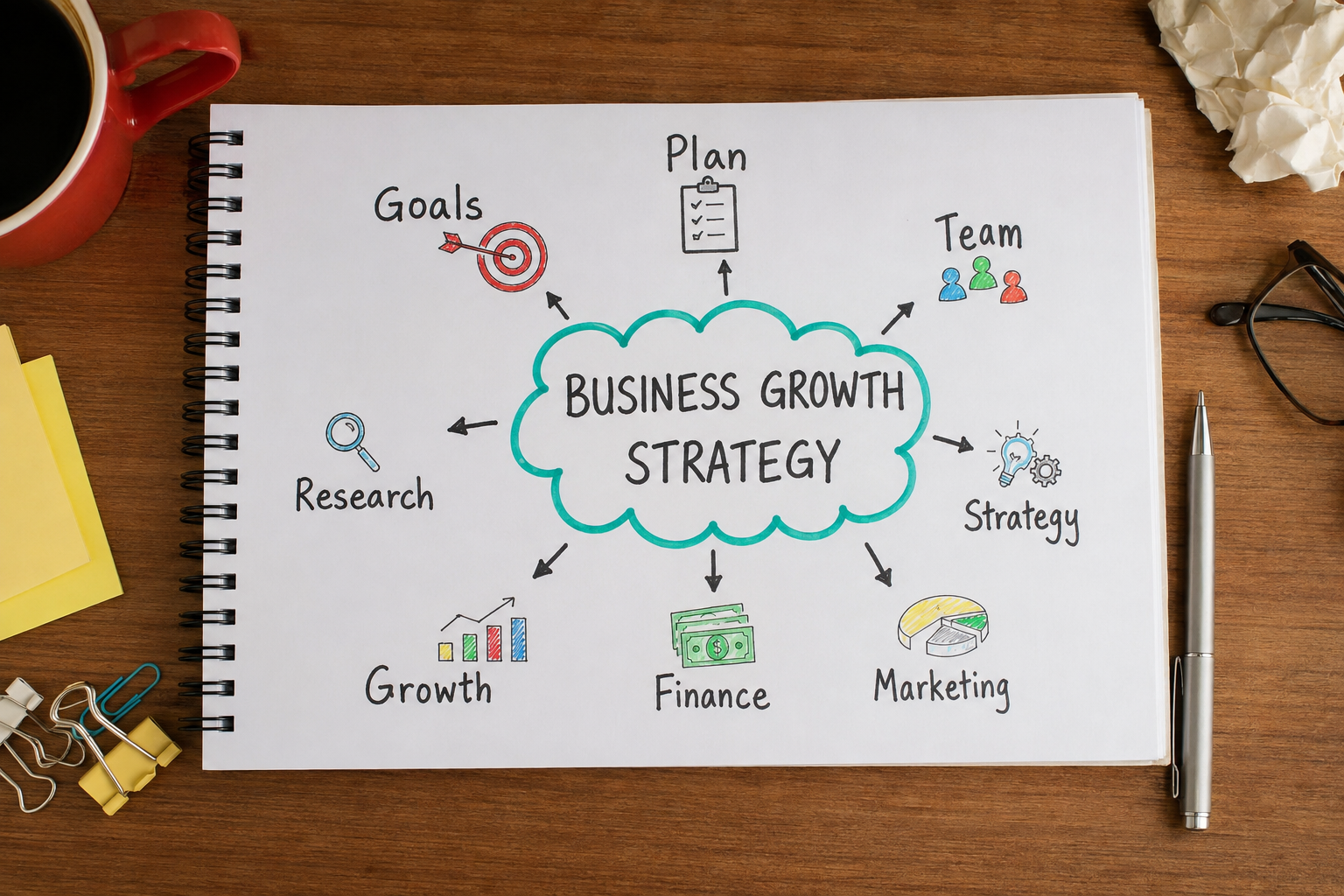
Long term business growth is one of the biggest goals for every business owner. Starting a business can be exciting, but keeping it successful for many years requires planning, patience, and consistent effort. A business cannot depend only on short term sales or temporary trends. It needs a strong strategy that helps it attract customers, increase revenue, build a trusted brand, and adapt to changes in the market.
The best strategies for long term business growth focus on creating sustainable success instead of chasing quick results. Whether you run a small business, an online company, or an established organization, the right approach can help you build a stronger future.
Understand Your Target Customers
One of the most important steps for long term business growth is understanding your target customers. A business can only succeed when it knows what its customers want, need, and expect.
Take time to learn about your customers, including their interests, problems, buying habits, and preferences. You can collect useful information through customer feedback, surveys, online reviews, social media conversations, and sales data.
When you understand your customers better, you can create products and services that solve real problems. This can improve customer satisfaction and encourage people to return to your business.
Focus on Customer Satisfaction
Customer satisfaction plays a major role in sustainable business growth. A satisfied customer is more likely to purchase again and recommend your business to other people.
Provide helpful service, respond to questions quickly, and make the buying process simple. If a customer has a problem, try to solve it professionally and respectfully.
You should also regularly ask customers for feedback. Their opinions can help you discover weaknesses in your business and identify opportunities for improvement.
Building strong relationships with customers is often more valuable than constantly searching for new customers. Loyal customers can become one of the strongest sources of long term business growth.
Create a Strong Business Brand
A strong brand helps your business become recognizable and memorable. Your brand is more than a logo or business name. It includes your reputation, communication style, customer experience, and the value people associate with your company.
Make sure your business has a clear message and consistent identity. Use the same tone, visual style, and core values across your website, social media pages, advertisements, and other marketing channels.
A trusted brand can help you stand apart from competitors and make customers feel more confident when choosing your products or services.
Invest in Digital Marketing
Digital marketing has become an important part of business growth. Customers now use search engines, social media, websites, email, and online reviews to discover businesses and make purchasing decisions.
Create a professional website that clearly explains what your business offers. Use search engine optimization to improve your visibility in search results. Publish useful content that answers questions related to your products, services, and industry.
Social media marketing can also help you connect with potential customers. Choose platforms where your target audience spends time and share useful, interesting, and relevant content.
The goal should not only be to promote products. Focus on building relationships and providing value to your audience.
Improve Your Products and Services
A business cannot depend on the same products and services forever. Customer expectations change, competitors introduce new ideas, and technology continues to develop.
Regularly review your products and services to see where improvements can be made. Ask customers what they like and what they would like to see changed.
You can also study competitors to understand what they are doing well. This does not mean copying them. Instead, use market information to find ways to offer something better or different.
Continuous improvement can help your business remain competitive and support long term growth.
Build a Reliable Team
Employees have a major impact on business success. A talented and motivated team can improve productivity, customer service, creativity, and overall performance.
Hire people who have the right skills and who understand your business values. Give employees proper training and provide opportunities for professional development.
Good communication is also important. Employees should understand their responsibilities and know what the business is trying to achieve.
A positive workplace can increase employee motivation and reduce staff turnover. When people feel respected and valued, they are more likely to contribute to the long term success of the business.
Manage Business Finances Carefully
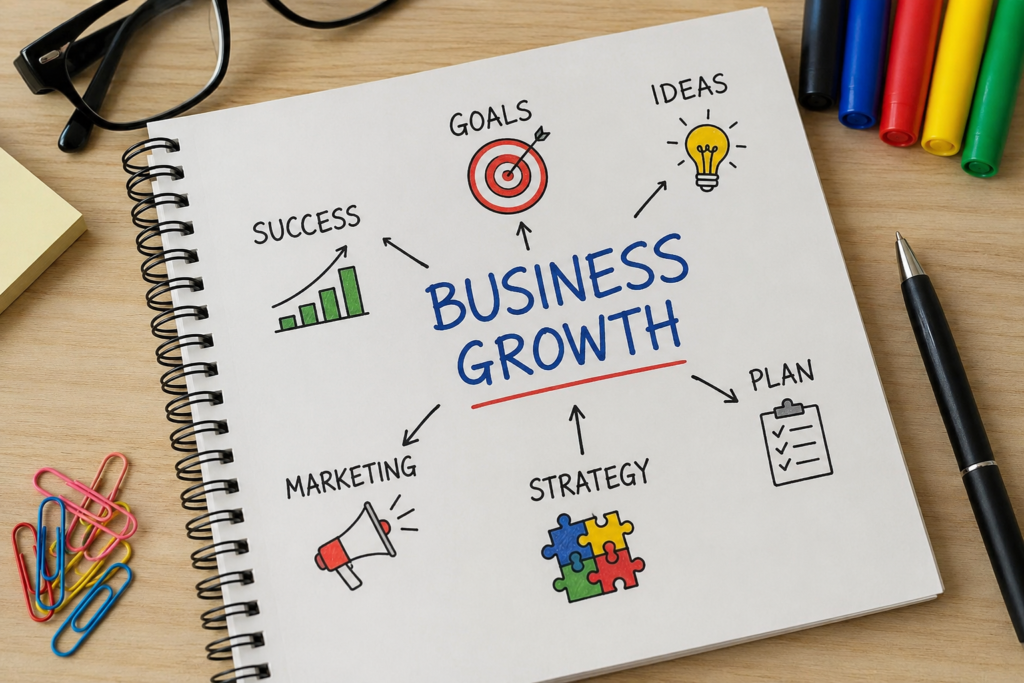
Strong financial management is essential for sustainable business growth. Increasing sales does not always mean a business is financially healthy.
Keep accurate records of income, expenses, profits, debts, and cash flow. Create a realistic budget and review your financial performance regularly.
Avoid unnecessary expenses and think carefully before making large investments. At the same time, do not be afraid to invest in areas that can create future value, such as marketing, technology, employee training, and product development.
Good financial planning gives your business greater stability and helps you prepare for unexpected challenges.
Use Technology Wisely
Technology can make business operations faster, easier, and more efficient. Businesses can use technology for accounting, customer management, marketing, communication, inventory, sales, and many other activities.
Choose tools that solve real business problems instead of using technology simply because it is popular.
Automation can also save time by handling repetitive tasks. This allows business owners and employees to focus on important activities such as customer relationships, strategy, and innovation.
As your business grows, the right technology can help you manage increasing workloads without creating unnecessary complexity.
Build Multiple Sources of Revenue
Depending on only one product, service, or customer can create risk. If demand changes, your business may face serious financial problems.
Consider developing additional sources of revenue that are connected to your existing business. For example, a company could introduce complementary products, subscription services, consulting packages, digital products, or premium services.
However, expansion should be carefully planned. Adding too many products too quickly can increase costs and confuse customers.
The best approach is to identify opportunities that fit your existing strengths and customer needs.
Monitor Market Trends
Markets are constantly changing. Customer preferences, technology, economic conditions, and competition can all affect your business.
Make a habit of watching important trends in your industry. Pay attention to customer behavior and changes in competitor strategies.
Being aware of market changes can help you make better decisions and prepare for future opportunities. Businesses that adapt quickly are often better positioned for long term success.
Set Clear Business Goals
Long term growth requires clear goals. Without specific goals, it can be difficult to measure progress or know whether your business is moving in the right direction.
Set goals for areas such as revenue, customer growth, profit, website traffic, customer retention, and market expansion.
Break large goals into smaller objectives. Review your progress regularly and adjust your strategy when necessary.
Your goals should be realistic but challenging enough to encourage improvement.
Build Strong Customer Relationships
Customer relationships should continue after a purchase. Stay connected with customers through email marketing, social media, loyalty programs, helpful content, and personalized communication.
Show customers that you value their business. Remember that people often choose companies based on the experience they receive, not just the price of a product.
Strong relationships can lead to repeat purchases, referrals, positive reviews, and greater customer loyalty.
Stay Flexible and Adaptable
One of the most important strategies for long term business growth is adaptability. No business can predict everything that will happen in the future.
Consumer behavior can change quickly. New competitors can enter the market. Technology can create new opportunities and challenges.
Instead of being afraid of change, look for ways to use it to your advantage. Test new ideas, learn from mistakes, and be willing to change strategies when the evidence shows that a different approach would work better.
Conclusion
Long term business growth does not happen overnight. It requires a clear strategy, consistent effort, strong customer relationships, financial discipline, and a willingness to improve.
The best strategies for long term business growth include understanding customers, improving products and services, investing in digital marketing, building a reliable team, managing finances carefully, using technology wisely, and adapting to market changes.
A successful business is not simply one that makes money today. It is a business that creates value, earns customer trust, develops strong systems, and prepares for the future. By focusing on sustainable growth instead of quick results, business owners can create a company that remains competitive and successful for many years.
